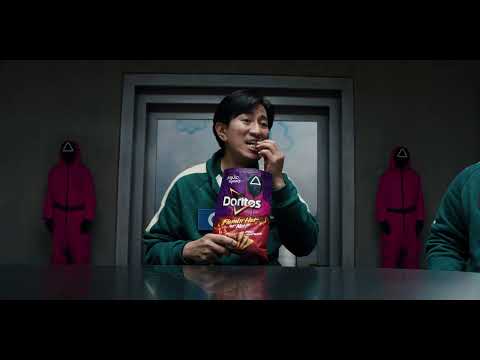
Netflix is not just a streaming platform—it is a cultural phenomenon. Its advertising campaigns do not merely promote content; they reflect and shape pop culture by blending viral trends, celebrity collaborations, and immersive real-world experiences. Unlike traditional ads that interrupt, Netflix campaigns often feel like extensions of the shows themselves, designed to spark conversation, generate memes, and invite participation. From Stranger Things–themed Lyft rides to Wednesday x Cheetos tie-ins, Netflix has mastered the art of turning entertainment marketing into shared cultural events. This article explores how Netflix’s advertising strategy mirrors the way audiences consume entertainment today—interactively, socially, and globally.
🍿 Why Netflix Ads Reflect Pop Culture
H2: Viral Collaborations
Netflix partners with brands that already possess deep cultural resonance. These are not transactional sponsorships; they are narrative extensions. When Wednesday teamed up with Cheetos, the campaign did not feel like a corporate merger—it felt like a punchline. When Emily in Paris introduced the McBaguette with McDonald’s France, it was a playful nod to both French food culture and the show’s frothy aesthetic.
These collaborations generate organic enthusiasm. Fans create memes, edit videos, and share discoveries across TikTok and Instagram. The advertising becomes part of the fandom experience, not an interruption of it.
H2: Immersive Experiences
Netflix understands that the most powerful advertising is not watched; it is lived. The company has consistently extended its narratives into physical spaces. Squid Game: The Experience invited fans to compete in real-life versions of the show’s deadly challenges (minus the actual dying). Stranger Things transformed Lyft rides into eerie journeys through the Upside Down, complete with demogorgon jump scares and synthwave soundtracks.
These campaigns blur the boundary between screen and sidewalk. They turn passive viewers into active participants.
H2: Celebrity & Influencer Integration
Netflix’s celebrity strategy is distinct from traditional endorsements. When Simone Biles, Cardi B, and Giancarlo Esposito appeared in the “It’s So Good” campaign, they were not reading scripts about Netflix’s corporate virtues. They were reacting to specific scenes—screaming, crying, texting friends—as authentic fans.
This approach resonates with Gen Z audiences who distrust polished advertising. Influencers amplify the effect, creating a feedback loop between Netflix marketing and social media conversation.
H2: Global Appeal
Netflix operates in over 190 countries, and its advertising reflects this diversity. Campaigns adapt to local cultures while maintaining universal appeal. A Squid Game activation in Brooklyn honors Korean cultural production while inviting American participation. An Emily in Paris promotion in France celebrates French culinary heritage while serving Netflix’s global subscriber base.
This is not localization as an afterthought; it is globalization through cultural specificity.
🚀 Landmark Netflix Campaigns
Stranger Things x Lyft (2017)
Concept: Lyft riders in select cities experienced in-car effects inspired by Stranger Things: flickering lights, eerie audio cues, and the unsettling sensation that a demogorgon might be in the backseat.
Impact: The campaign elevated brand immersion to new levels. Fans did not just watch the show; they felt it during mundane car rides. It transformed a transportation utility into a narrative experience.
Legacy: One of the earliest and most effective examples of experiential streaming marketing.
🎥 Stranger Things x Lyft Campaign (2017):
Emily in Paris x McDonald’s (2022)
Concept: To celebrate Emily in Paris Season 2, Netflix partnered with McDonald’s France to introduce the “McBaguette”—a sandwich that married French baking tradition with American fast-food convenience. The campaign was whimsical, self-aware, and deeply Instagrammable.
Impact: The collaboration generated significant social buzz, particularly among audiences who appreciated the cultural mashup. It demonstrated that Netflix could elevate brand partnerships into narrative commentary.
Legacy: A case study in food-and-fashion crossover marketing.
🎥 Emily in Paris McBaguette Ad (2022):
Note: The original URL now redirects to the Season 5 trailer. Link updated to reflect current content.
Bridgerton x Pat McGrath Labs (2021)
Concept: Beauty mogul Pat McGrath, already famous for her influence in fashion and cosmetics, collaborated with Netflix on a Bridgerton-inspired makeup collection. The campaign merged Regency-era aesthetics with contemporary beauty trends.
Impact: Influencers and beauty editors covered the launch extensively. It proved that Netflix could extend its intellectual property into entirely different product categories without diluting brand identity.
Legacy: A milestone in entertainment-meets-beauty marketing.
🎥 Bridgerton x Pat McGrath Labs (2021):
“It’s So Good” Campaign (2024)
Concept: Netflix celebrated its “Moments” feature—which allows users to save and share specific scenes—by enlisting celebrities to react to iconic Netflix moments. Simone Biles gasped at gymnastics sequences. Cardi B screamed at plot twists. Giancarlo Esposito, known for his intense roles, reacted with theatrical gravitas.
Impact: The campaign generated viral clips across social platforms. It positioned Netflix not as a content factory but as a shared cultural archive.
Legacy: Reinforced Netflix’s role in creating collective viewing experiences.
Wednesday x Cheetos (2025)
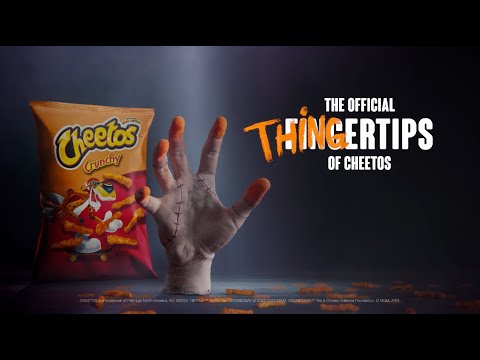
Concept: In one of Netflix’s most delightfully absurd campaigns, “Thing”—the disembodied hand from Wednesday—auditioned to become a Cheetos spokesperson. Billboards featured orange Cheetos dust handprints, as if Thing had been caught snacking.
Impact: The internet adored it. Memes proliferated. The campaign captured the gothic humor of Wednesday while leveraging Cheetos’ established brand personality.
Legacy: A masterclass in tonal alignment between entertainment property and commercial partner.
🎥 Wednesday x Cheetos Campaign (2025):
" target="_blank" rel="noreferrer">https://www.youtube.com/watch?v=dHe-JvkMvo
Squid Game: The Experience (2025)
Concept: Fans in Brooklyn participated in real-life versions of Squid Game challenges, including Red Light, Green Light and the dalgona honeycomb game. The experience was immersive, photogenic, and emotionally intense—replicating the show’s tension without its lethality.
Impact: The activation generated extensive media coverage and social sharing. It proved that streaming properties could successfully migrate into physical entertainment destinations.
Legacy: A blueprint for translating on-screen tension into real-world participation.
🎥 Squid Game Experience Campaign (2025):
📊 Comparison Table: Netflix Ads & Pop Culture
CampaignYearPop Culture Tie-InImpact
| Stranger Things x Lyft | 2017 | Experiential ride culture | Elevated show immersion |
| Emily in Paris McBaguette | 2022 | Food + fashion crossover | Social buzz, brand collab |
| Bridgerton x Pat McGrath | 2021 | Beauty + period drama | Influencer traction |
| “It’s So Good” Campaign | 2024 | Celebrity nostalgia + sharing | Viral social clips |
| Wednesday x Cheetos | 2025 | Snack culture + gothic humor | Viral memes, fan engagement |
| Squid Game Experience | 2025 | Immersive gaming + Korean culture | Real-life participation |
🔎 Expert Analysis: Why These Campaigns Worked
Authenticity
Netflix ads succeed because they feel organic to the shows they promote. The Wednesday x Cheetos partnership made narrative sense: of course Thing would steal Cheetos. The Bridgerton makeup collaboration honored the show’s visual opulence. This authenticity cannot be faked; it requires deep respect for the source material.
Artistic Innovation
By blending entertainment with lifestyle, Netflix campaigns become cultural storytelling. They do not merely announce a premiere date; they extend the show’s aesthetic into new contexts. A Squid Game obstacle course is not an advertisement; it is a translation.
Pop Culture Integration
Netflix collaborates across categories—food, fashion, beauty, transportation, gaming—ensuring relevance across demographics. The brand appears not only in commercial breaks but in makeup tutorials, restaurant menus, and ride-share vehicles. This omnipresence feels less like saturation and more like cultural ubiquity.
Strategic Timing
Netflix launches campaigns during cultural peaks that maximize impact. The “It’s So Good” campaign coincided with increased social sharing behaviors. The Squid Game experience arrived as immersive entertainment was gaining mainstream traction. Timing transforms competent campaigns into cultural landmarks.
🌍 Broader Cultural Significance
Advertising History: Netflix’s campaigns are studied as milestones in entertainment marketing. They represent the shift from interruption-based advertising to participation-based brand building.
Pop Culture: These ads became part of cultural conversations—from Macaulay Culkin’s Home Alone revival in Netflix’s holiday campaigns to Wednesday Addams snacking on Cheetos. Netflix does not just sponsor culture; it generates it.
Consumer Psychology: Emotional resonance builds loyalty and trust. Subscribers do not remain loyal because Netflix has the best compression algorithms; they stay because Netflix understands what they love and reflects that understanding back at them.
Global Reach: Despite originating in Hollywood, Netflix’s campaigns achieve genuine globalization. Squid Game promotions honor Korean cultural production. Emily in Paris campaigns celebrate French heritage. By honoring local specificity, Netflix achieves universal appeal.
🧠 Conclusion: The Legacy of Netflix Ads
Netflix ads reflect pop culture by turning entertainment into shared experiences. They succeed because they feel like cultural participation rather than traditional advertising. From immersive Stranger Things rides to gothic Wednesday snack collaborations, Netflix has proven that advertising in the streaming era is about more than selling subscriptions—it is about shaping culture.
But the deeper legacy of Netflix’s advertising strategy is philosophical. The company understands that in an age of infinite content, attention is the only scarce resource. It also understands that attention cannot be demanded; it must be earned.
Netflix earns attention by respecting its audience. It assumes viewers are intelligent enough to recognize authentic collaboration versus cynical sponsorship. It assumes they are creative enough to generate memes, edit videos, and share moments. It assumes they are social enough to want collective experiences, not just isolated viewing.
These assumptions have proven correct. Netflix’s campaigns are not interruptions; they are invitations. Not broadcasts; conversations. Not advertisements; cultural artifacts.
The legacy of Netflix advertising is this: the brand proved that streaming services could advertise not by shouting louder, but by listening better. Not by interrupting culture, but by participating in it. Not by selling entertainment, but by being entertaining.
And in an industry increasingly defined by churn and fragmentation, that may be Netflix’s most enduring competitive advantage.
Other Articles

Iconic Adidas Campaigns in Sports FashionDiscover the most iconic Adidas campaigns that have shaped sportsfashion. Explore their impact on style, culture, and athleticperformance today.
How Canon Ads Shaped Camera CultureExplore Canon's advertising journey in photography, showcasinginnovative campaigns and iconic moments that shaped the industry andinspired photographers worldwide.
Celebrities in Holiday AdvertisingDiscover the magic of Christmas as famous actors shine in festivecampaigns. Explore their memorable performances and the joy they bringto the season.

Famous Faces in 2000s Perfume AdsDiscover the iconic actors who transformed perfume advertising in the2000s, blending glamour and allure to create unforgettable campaigns.
Idris Elba’s Presence in Tech AdsDiscover how Idris Elba is revolutionizing technology advertisingcampaigns with his unique charisma and innovative approach. Explore theimpact today!

Cate Blanchett’s Role in Perfume AdsDiscover the captivating world of Cate Blanchett in perfume advertisingcampaigns, showcasing her elegance and charm in stunning visuals andcompelling narratives.
Actors in Versace CampaignsDiscover the allure of Versace ads featuring iconic celebrities. Explore stunning visuals and captivating campaigns that define luxury fashion.

Oppo Ads and Their Global ReachDiscover how Oppo is transforming mobile advertising campaigns withinnovative strategies and impactful messaging that resonate withconsumers worldwide.